
You walk into the basement, flip on the light, and something with way too many legs races across the floor. Maybe you’re finding slow moving, curled up, worm-like bugs near the garage, bathroom, or back door. Both can be unsightly, especially if you are witnessing them inside your home.
Centipedes and millipedes are common fall visitors, especially when changing temperatures and moisture levels push them out of their usual hiding places. While they’re often lumped together as “those bugs with a million legs,” centipedes and millipedes are actually very different, especially in the ways they can be pests.
So, what’s the difference? Why are they coming inside? Are they dangerous? And most importantly, how can you prevent them?
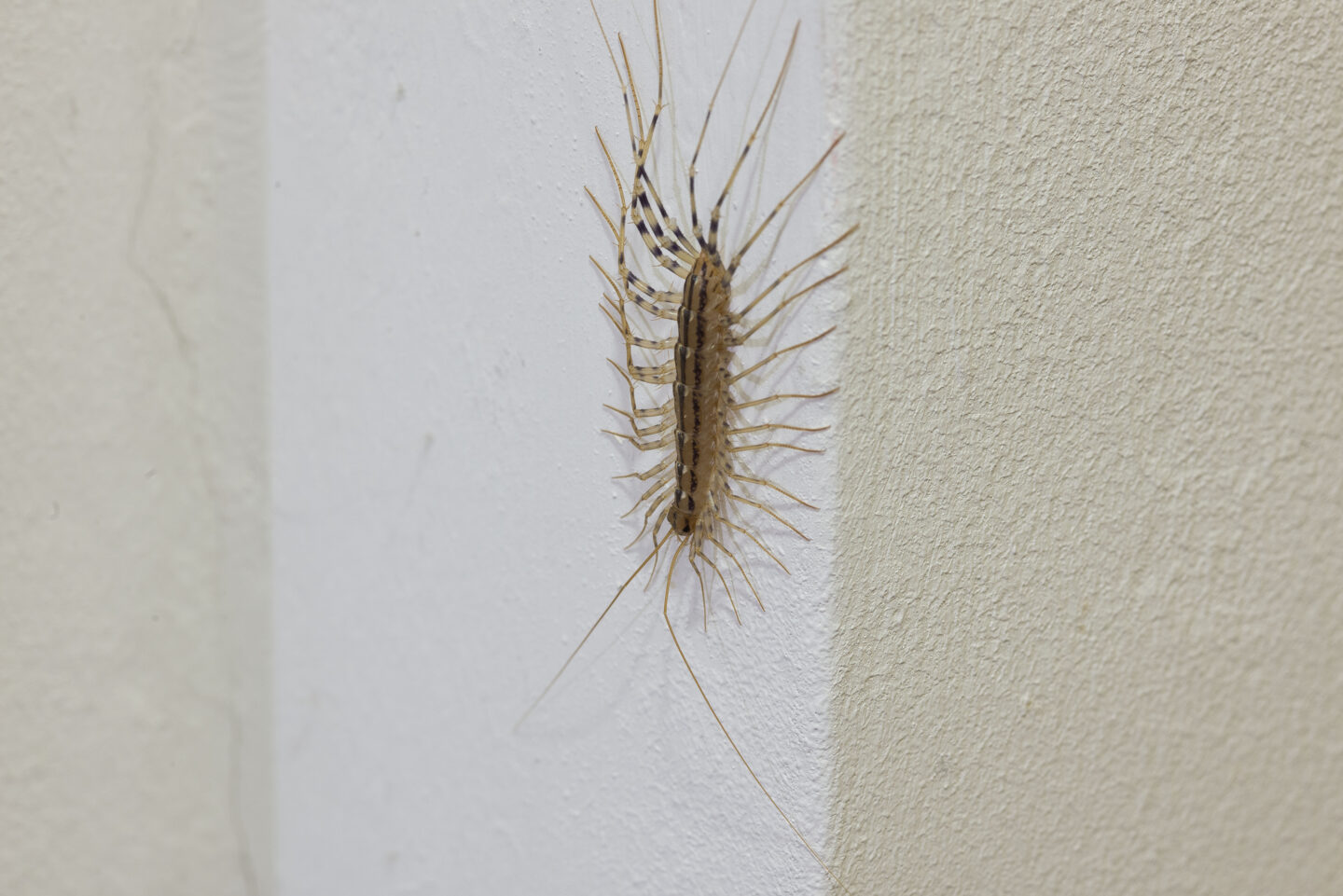
What’s the Difference Between a Centipede and a Millipede?
Despite their names, centipedes don’t always have exactly 100 legs, and millipedes definitely don’t all have 1,000.
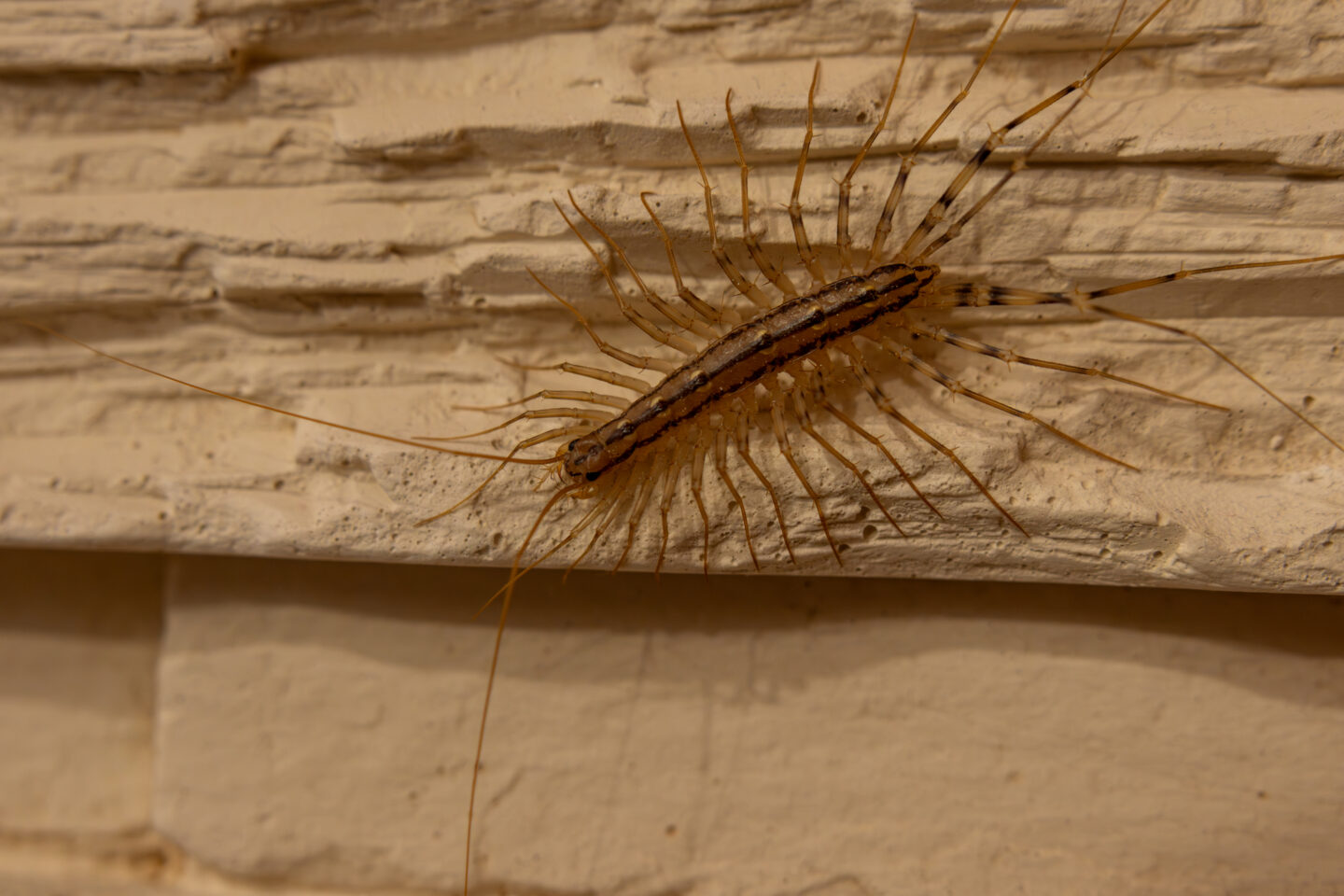
Centipedes have flattened bodies with one pair of legs per body segment. House centipedes, a very common pest indoors, specifically have very long legs and antennae, giving them their unmistakable eyelash-like appearance. They’re also incredibly fast. Centipedes are primarily predators of insects and other small creatures like spiders.
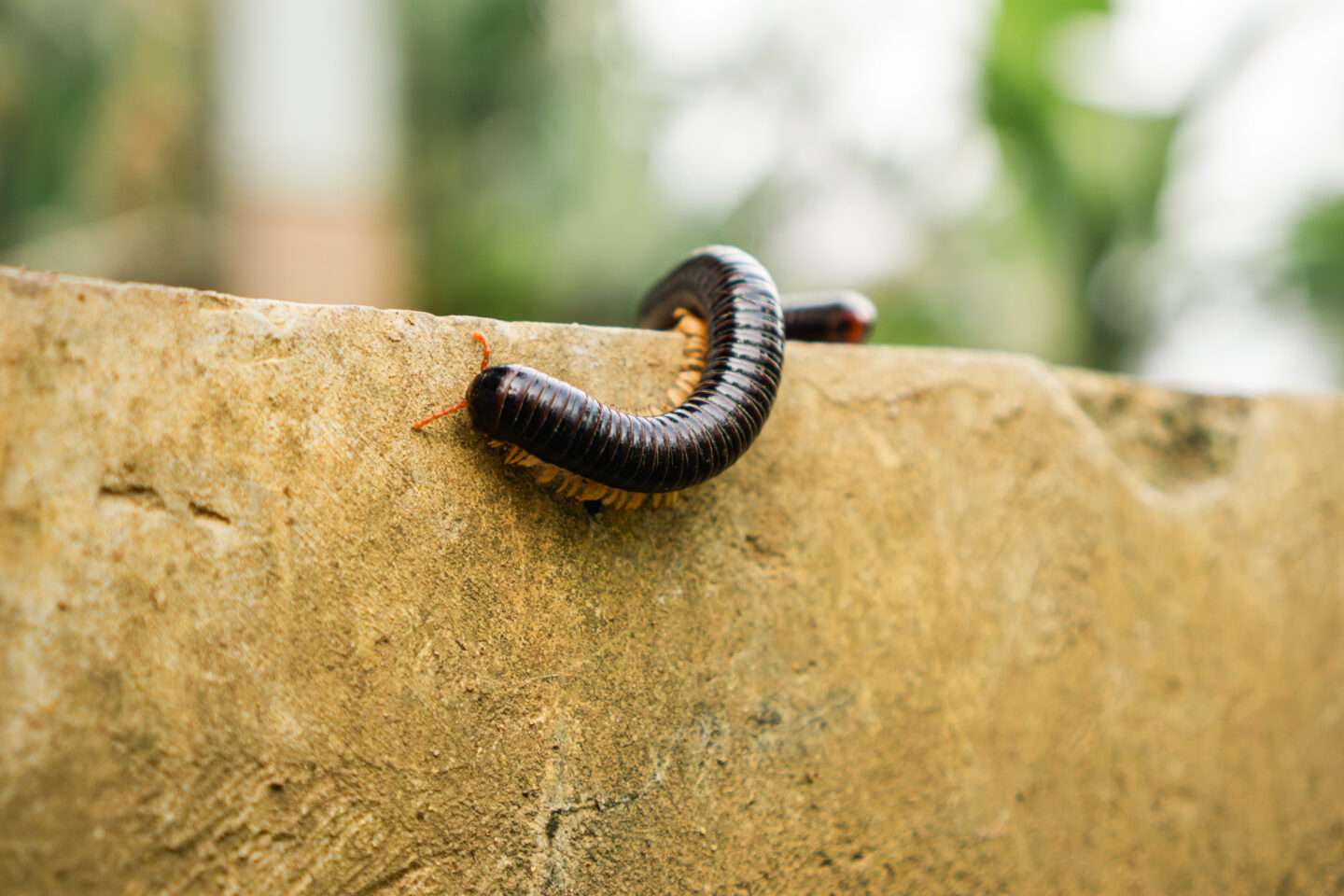
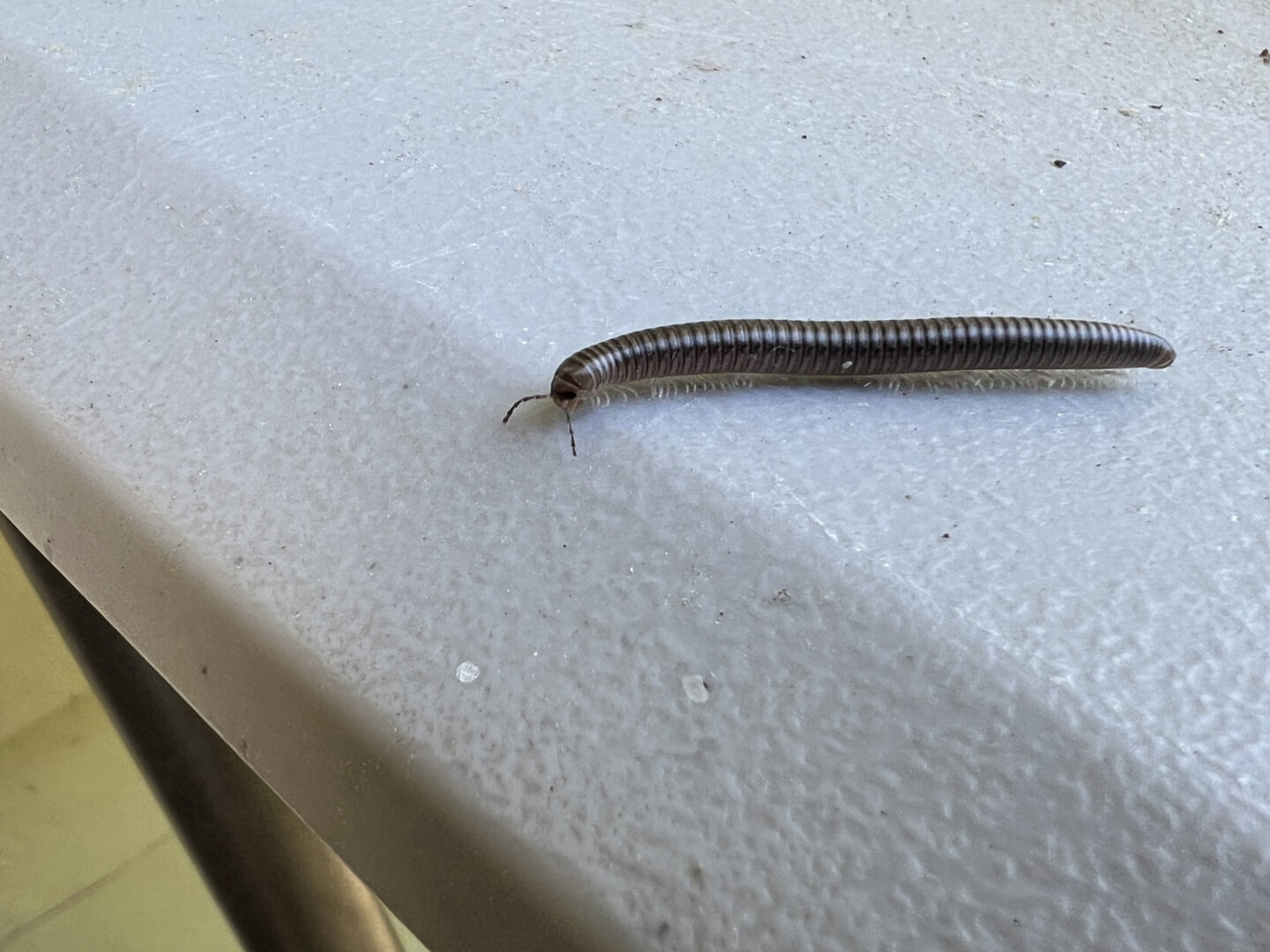
Millipedes have rounder, more cylindrical bodies with two pairs of legs on most body segments. Their legs are much shorter, and they move slowly. When disturbed, many millipedes curl themselves into a tight coil. Millipedes are considered decomposers and will feed on decaying plant matter or other pieces of rotting organic debris.
If something with many legs races across the basement floor before you can figure out what you just saw, there’s a good chance it was a house centipede. If it slowly crawls along and curls up when bothered, you’re probably looking at a millipede.
Why Am I Finding So Many Centipedes and Millipedes Around My House?
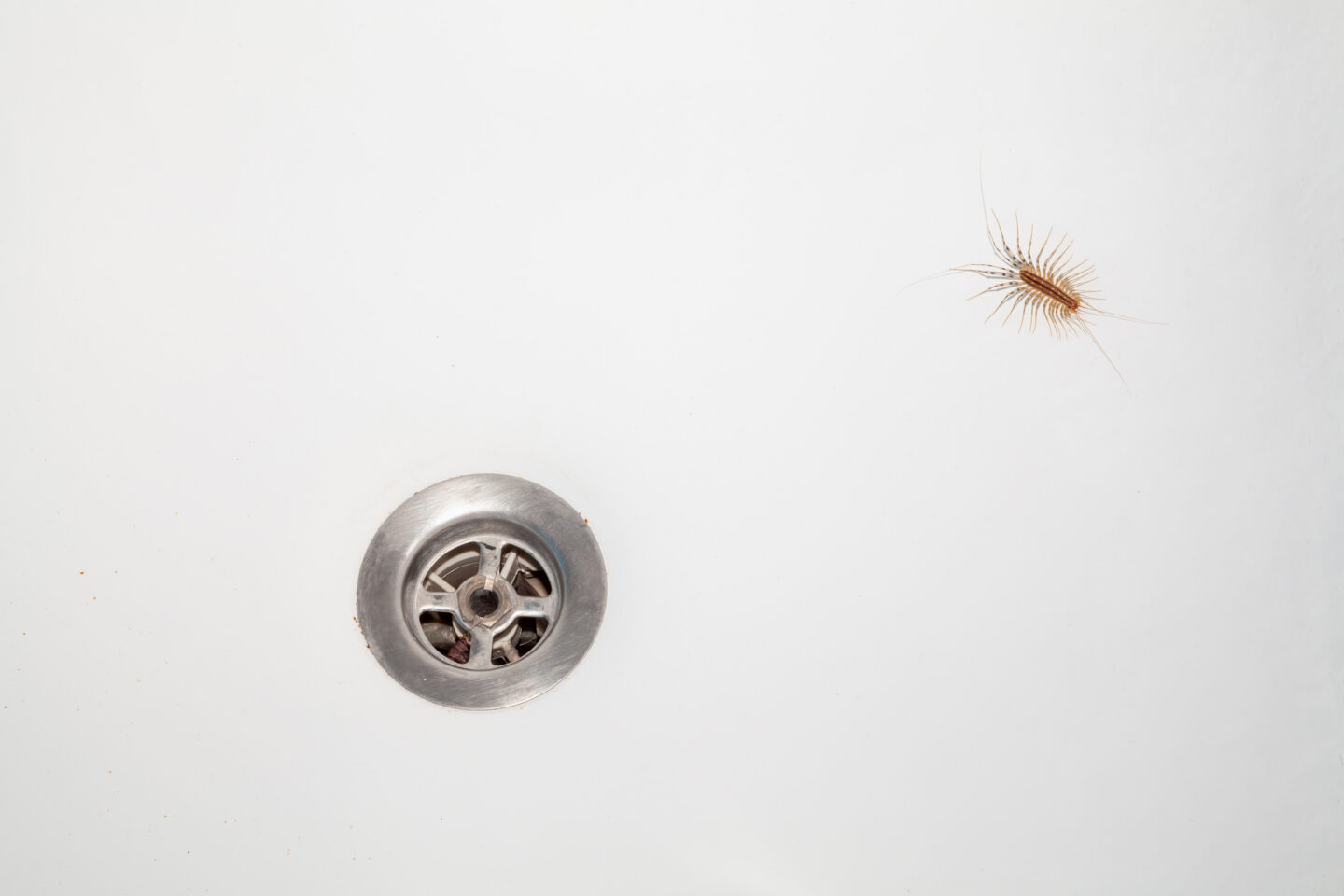
Moisture can be a big clue!
Both centipedes and millipedes prefer damp environments. Outdoors, they can be found beneath leaves, mulch, stones, logs, landscaping materials, and other areas where moisture collects.
As fall weather changes, so do these conditions. Heavy rain, dry spells, and falling temperatures can send them searching for more comfortable places. Drastic weather changes can cause millipedes to migrate in large numbers, which may bring unsettling groups near your structure.
Both centipedes and millipedes are thigmotactic, meaning that they prefer concealed, tight spaces to hide. Thick mulch, heavy leaf litter, overwatering, poor drainage, clogged gutters, and consistently damp soil can create ideal habitat right next to your foundation.
From there, cracks around foundations, gaps beneath doors, basement windows, utility openings, and damaged weather stripping can provide an easy way inside. Once indoors, you’re most likely to spot them in basements, bathrooms, crawl spaces, garages, and other areas where moisture tends to linger. Cluttered spaces indoors adjacent to moisture can create ideal hiding spots for centipedes.
For centipedes, there may be another reason to stick around. They have food. Centipedes may be preying on spiders, silverfish, cockroaches, flies, or other small arthropods inside. An occasional centipede isn’t necessarily cause for concern, but seeing them regularly could mean there’s enough moisture and insect activity in your home to keep them comfortable.
Are Centipedes and Millipedes Dangerous?
For the most part, both are more unsettling than actually dangerous.
House centipedes use venom to subdue their prey, but typically avoid people and would much rather run away. Bites are extremely uncommon and usually happen only when a centipede is directly threatened, handled, or trapped against the skin. A centipede bite typically has mild symptoms and has been described to be less intense than a bee sting. Centipedes don’t damage your home, furniture, clothing, or stored food.
Millipedes don’t bite or sting and typically don’t reproduce successfully inside homes. When threatened, some species can release defensive chemicals that may irritate skin, so it’s best to avoid handling them with bare hands.
Does Having Centipedes or Millipedes Mean My House Is Dirty?
Absolutely not! Their presence is much more closely connected to moisture, access, and available habitat than cleanliness.
A spotless home can still have a damp basement, gaps around exterior doors, clogged gutters, heavy mulch against the foundation, or landscaping that holds excess moisture.
Instead of reaching for another cleaning product, look for and change conditions that are making your home attractive or accessible to these arthropods.
How Do I Keep Centipedes and Millipedes Out?
The best approach is to make your home less attractive from the outside in.
Start by removing excess leaves and organic debris near the foundation. Avoid piling mulch too heavily against the house, correct drainage problems, clean gutters, and address areas outdoors that remain consistently damp.
Inside, dehumidifiers can help reduce moisture in basements and crawl spaces. Check around doors, windows, utility lines, vents, and the foundation for narrow gaps that could give pests an easy way inside. Centipedes especially have very flat bodies that they can wedge into very small cracks and crevices. Reduce clutter inside these areas as much as possible to minimize hiding places.
If you’re seeing centipedes regularly, addressing the other insects they are probably eating may also be an important part of solving the problem.
Finding Too Many Legs Around Your Home?
An occasional centipede or millipede can wander inside just about any home. But repeated sightings or large numbers can point to moisture, entry points, or other pest activity that needs attention.
At Rose Pest Solutions, we don’t just focus on the pests you can see. Our pest management professionals look at the conditions around your home that may be attracting pests in the first place and develop a prevention plan to help keep your structure pest-free.
If centipedes, millipedes, or other fall pests are making themselves a little too comfortable around your home, schedule a free inspection with Rose Pest Solutions today.