
Nobody wants to discover a mouse in their kitchen or hear rats moving around inside the walls. But rodents are more than an unpleasant surprise. They can pose serious health risks to your household.
Mice and rats can contaminate food, spread disease-causing pathogens, and leave behind allergens that affect indoor air quality. They often travel through kitchens, pantries, and other hidden spaces when we’re not around. As a result, contamination can happen without homeowners even realizing it.
With holiday travel, cooking, and baking just around the corner, it’s a good time to understand these risks and take a closer look at what’s happening in your home.
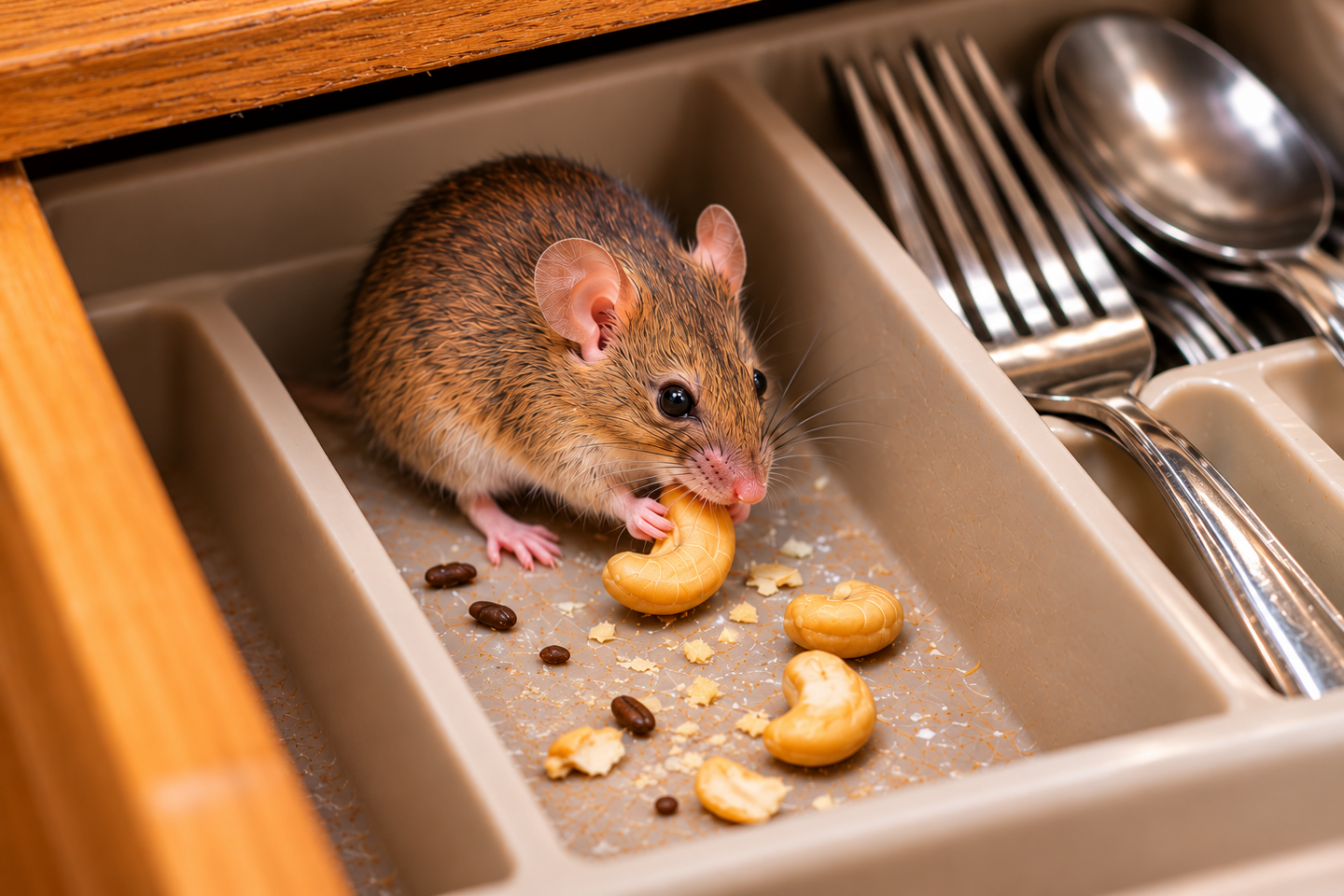
How Can Mice and Rats Affect Your Health?
Rodents don’t need to bite or even come into direct contact with you to pose a health risk. Rodent droppings, urine, saliva, and nesting materials can contaminate food, water, and surfaces in areas where families spend time every day.
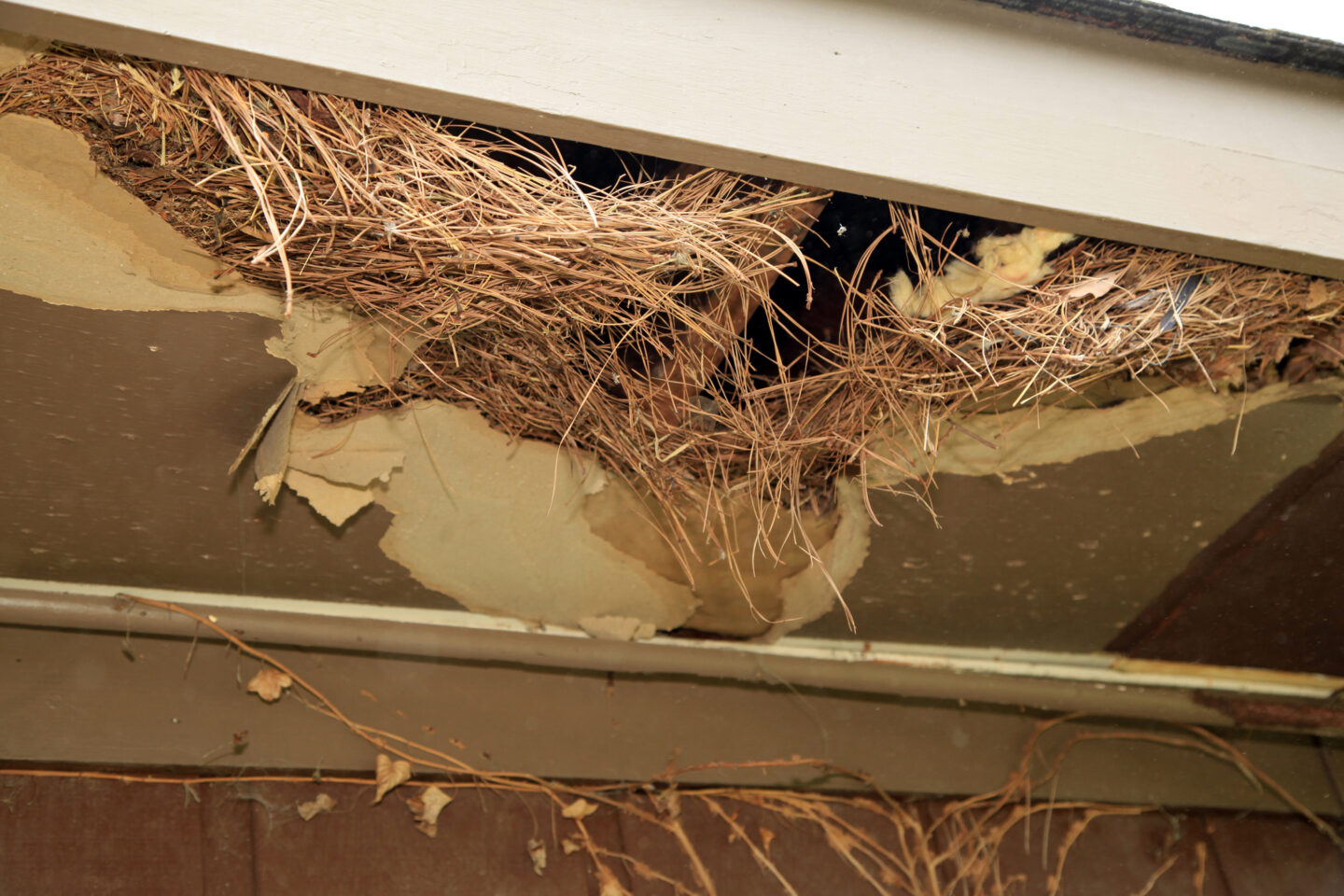
Foodborne Illness and Contamination
Mice and rats can carry disease-causing bacteria, including E. coli and Salmonella, which can cause gastrointestinal illness and other food poisoning symptoms. As rodents move through cabinets, across countertops, and around food storage areas, they may leave behind evidence that isn’t always visible.
For example, rodent urine can disappear to the human eye, especially from somewhere like a countertop, once it dries. If someone then prepared food on this contaminated countertop, there is a higher risk for the transfer of these pathogens.
Even food that appears untouched may be compromised if rodents have chewed through its packaging or accessed the area where it was stored.
Diseases Associated with Rodents
Certain rodents can carry pathogens responsible for illnesses such as leptospirosis and those transferred through hantaviruses. Although the likelihood of exposure varies by rodent species and geographic location, these diseases are important reminders that rodent activity should never be dismissed as simply an inconvenience.
Leptospirosis can be transferred through contaminated bodies of water, like a puddle contaminated with rodent urine or feces, or coming into contact with food contaminated with rodent waste or saliva. Both humans and pets can experience illness due to this bacterial infection.
Hantaviruses can spread when people breathe in contaminated particles from infected rodent urine, droppings, or nesting materials. Deer mice, which are common throughout the Midwest, can carry hantaviruses that cause serious respiratory illness. Although these infections are rare, exposure can occur when cleaning garages, sheds, barns, or other areas where infected rodents have been nesting.
Allergies and Asthma
Rodent allergens can also affect indoor environments. Proteins found in rodent waste, dander, and saliva may trigger allergic reactions in certain individuals. Symptoms may range from itchy eyes and skin to anaphylaxis (i.e. a potentially life-threatening allergic reaction) in extreme cases. Rodents indoors can also worsen asthma symptoms through breathing in these materials.
This is especially concerning because rodent allergens can accumulate in hidden areas long before anyone notices an actual mouse or rat.
Before You Start Holiday Baking, Take a Closer Look at Your Ingredients

Holiday baking means stocking up on flour, sugar, chocolate chips, nuts, dried fruit, and other pantry staples. Unfortunately, many of these ingredients are attractive to rodents and stored-product pests.
And here’s something homeowners may not think about: pest prevention can start before your groceries even make it home.
Pest problems don’t always begin inside your home. Rodents can contaminate food products on store shelves, and stored-product pests like Indian meal moths can sometimes arrive in products that are already infested when purchased. That’s why it’s important to inspect flour, grains, nuts, and other dry goods before putting them in your shopping cart.
- Some infestations aren’t visible from the outside. Proper storage once you get home is just as important. Look for damaged packaging, gnaw marks, holes, webbing, or other unusual signs that a pest might have gotten to a food package first.
- Avoid leaving food or ingredients in easily accessible bags or boxes. Transfer flour, grains, nuts, and other dry goods into sturdy, airtight containers made from glass, metal, or durable plastic. This lessens the risk for rodent contamination. These containers can also help protect ingredients from other pantry pests.
- Inspect ingredients first. Before reaching for that bag of flour from last year’s holiday baking, check it out. Look for unusual clumping, webbing, insects, gnaw marks, holes, damaged packaging, or other signs that something isn’t right.
A few extra minutes spent checking new and old ingredients could save you from discovering an unwanted surprise halfway through your favorite holiday recipe.
What If You Find Rodent Droppings or Contaminated Food?
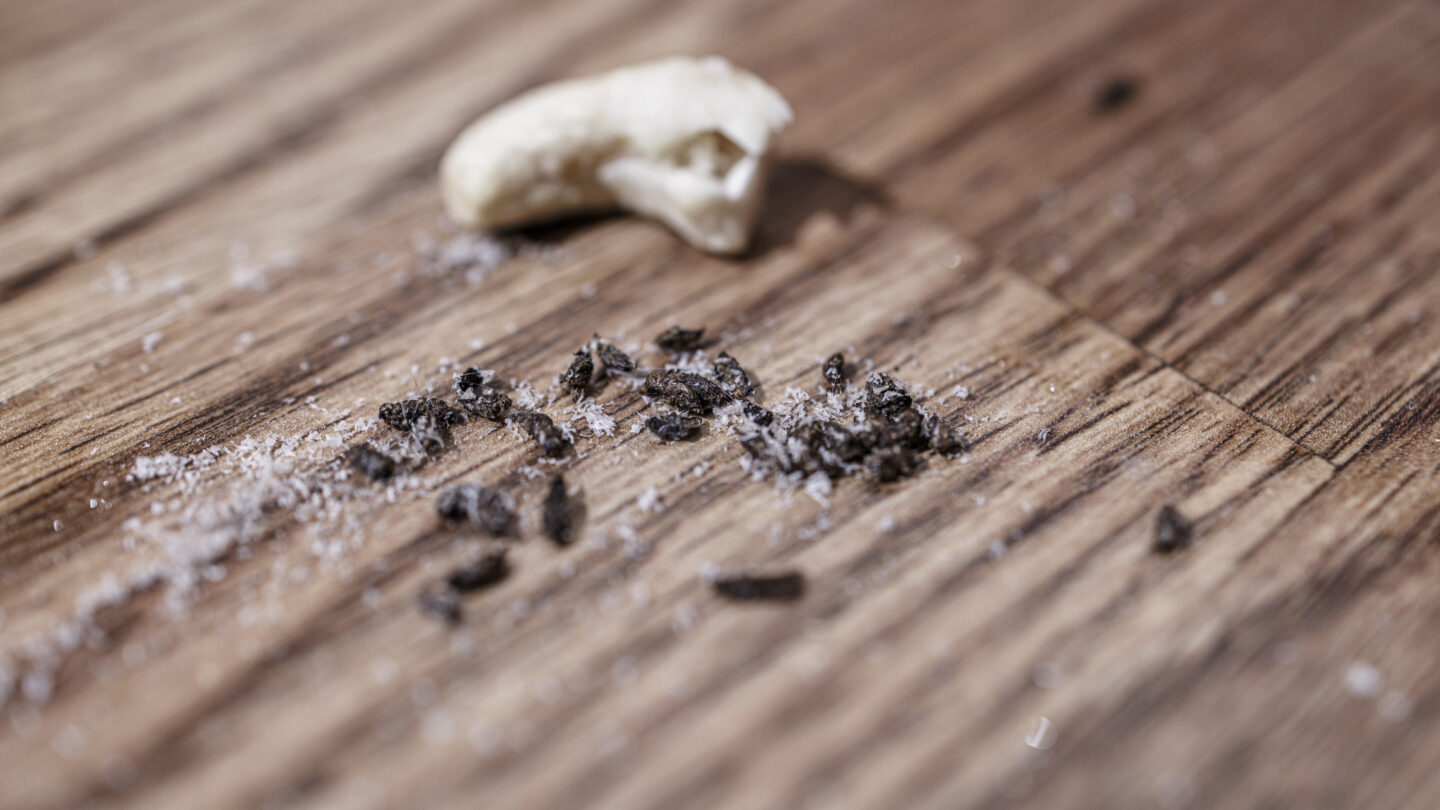
Discovering rodent droppings in a drawer or damaged food in a kitchen cabinet can be alarming, but how you respond matters.
- If you discover evidence of rodents inside, take a close look at nearby food products. Anything with gnaw marks, damaged packaging, or suspected contamination should be discarded. Food stored in paper, cardboard, or thin plastic packaging may be vulnerable even if the damage isn’t immediately obvious. Sealed metal cans and glass jars may be salvageable if they’re undamaged and properly cleaned or disinfected soon after.
- It’s equally important to clean affected areas properly. NEVER sweep or vacuum dry rodent droppings or nesting materials. These activities can stir potentially contaminated particles into the air, increasing the risk of pathogen transfer through inhalation. An N95 cartridge respirator will be necessary to protect you in situations like this.
If you discover extensive rodent activity, particularly in enclosed or difficult-to-access areas, professional assistance may be necessary. For additional guidance, visit the CDC’s recommendations for cleaning up after rodents.
A Healthier Home Starts with Keeping Rodents Under Control
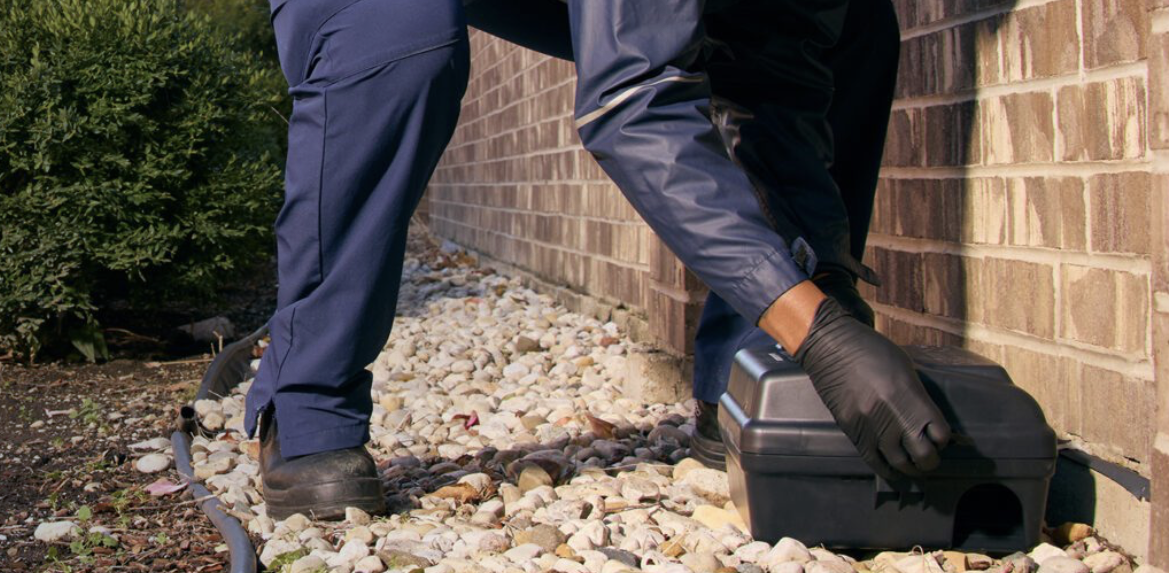
Rodent activity isn’t something homeowners should simply learn to live with. Even when mice and rats remain out of sight, their presence can affect food storage, sanitation, and the overall health of you and your family.
At Rose Pest Solutions, protecting public health has been part of our mission since 1860. Our pest management professionals understand rodent behavior and use an integrated pest management approach to identify activity, address contributing conditions, and help reduce the likelihood of future problems.
Our Healthy Home Maintenance Program provides ongoing protection against dozens of common household pests, including mice and rats, so you can focus on enjoying your home rather than worrying about what’s hiding inside it.
This holiday season, make sure the only guests gathering around your kitchen are the ones you’ve invited.
Concerned about mice or rats in your home? Schedule service with Rose Pest Solutions today.
Proudly serving Chicagoland, the Greater Rockford region and Southern Wisconsin.