
You’re enjoying dinner on the patio when a yellow and black flying insect starts circling your plate. You wave it away, only for another to appear a few seconds later. It might even be the same individual coming back for more.
Sound familiar?
Late summer is when many homeowners begin noticing more stinging insects around their homes, parks, patios, and neighborhood cookouts. While it may seem like wasps suddenly appear and become aggressive overnight, there’s actually a good reason for the increase in activity.
Here are some of the most common stinging insect questions we hear every August, along with what Midwest homeowners should know about wasp behavior, identification, and wasp control.
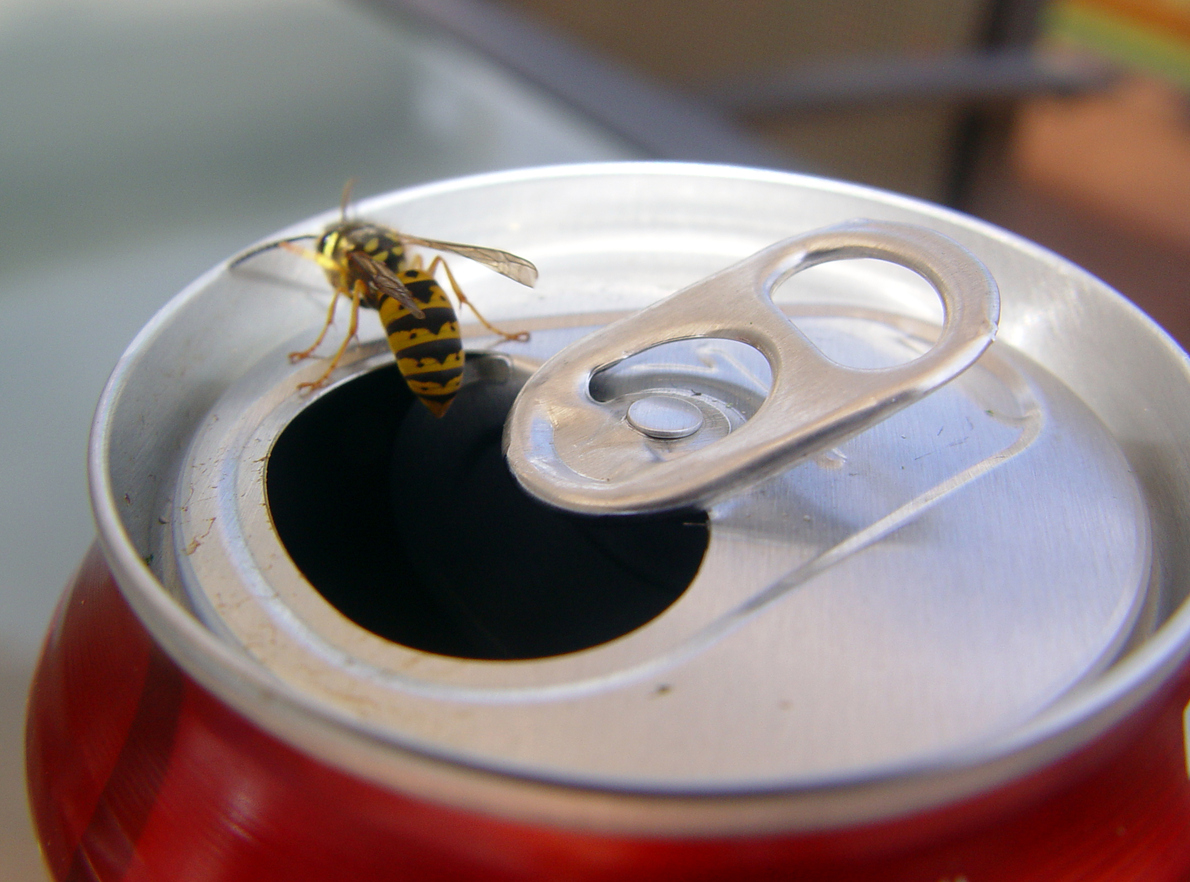
Are Wasps Beneficial?
Yes, wasps are beneficial insects that play an important role in our environment. Many help pollinate plants in search of sweet nectar, or naturally control other insect populations through predation. But, when they build nests where your family relaxes, grills, or plays, these insects turn into a threat because of their ability to sting. Wasps possess stingers and typically will use them to subdue prey to take back to hungry larvae. However, they will sting in defense if they feel threatened.
Why Are Wasps So Aggressive This Time of Year?
The truth is that wasps aren’t necessarily angrier in August. There are simply a lot more of them that have taken an interest in our food.
Throughout the spring and early summer, a queen wasp lays eggs, workers develop, and nesting sites are built. By August, that colony has reached its largest size, with hundreds or even thousands of workers foraging for food every day.
At the same time, many flowers begin producing less nectar, so wasps start looking elsewhere for food. That’s why it seems like they’re suddenly interested in your hamburger, fruit, soda, pet food, or overflowing trash can. Wasps are starting to infiltrate these human spaces for food (and defending these food sources) during this time of year.
Which Stinging Insect Are You Seeing?
Not every buzzing insect around your yard is the same. Here’s a quick guide to some of the most common stinging insects in the Midwest.
Yellowjackets
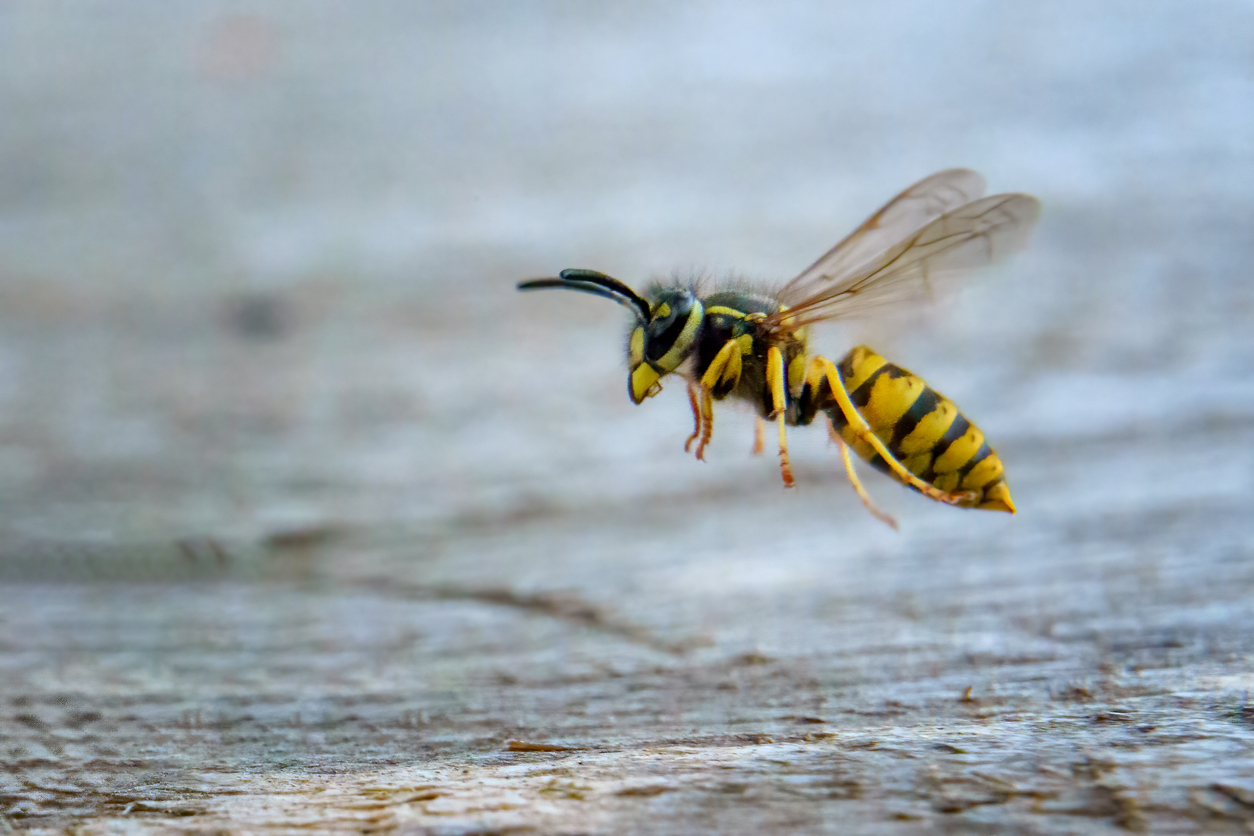
Yellowjackets are wasps with bright yellow and black markings. These insects fly with their legs flush to their body. They often nest underground, inside wall voids, or beneath landscaping features. They’re also the insects most likely to crash your picnic because they’re attracted to sugary drinks, meat, and other outdoor foods. Yellowjacket wasps are notoriously aggressive and will defend a nest or food source if someone comes near. It’s important to be extra cautious with these ground-nesting insects. Accidentally mowing over one or stepping too close can cause dozens of workers to emerge and defend the colony at once.
Paper Wasps
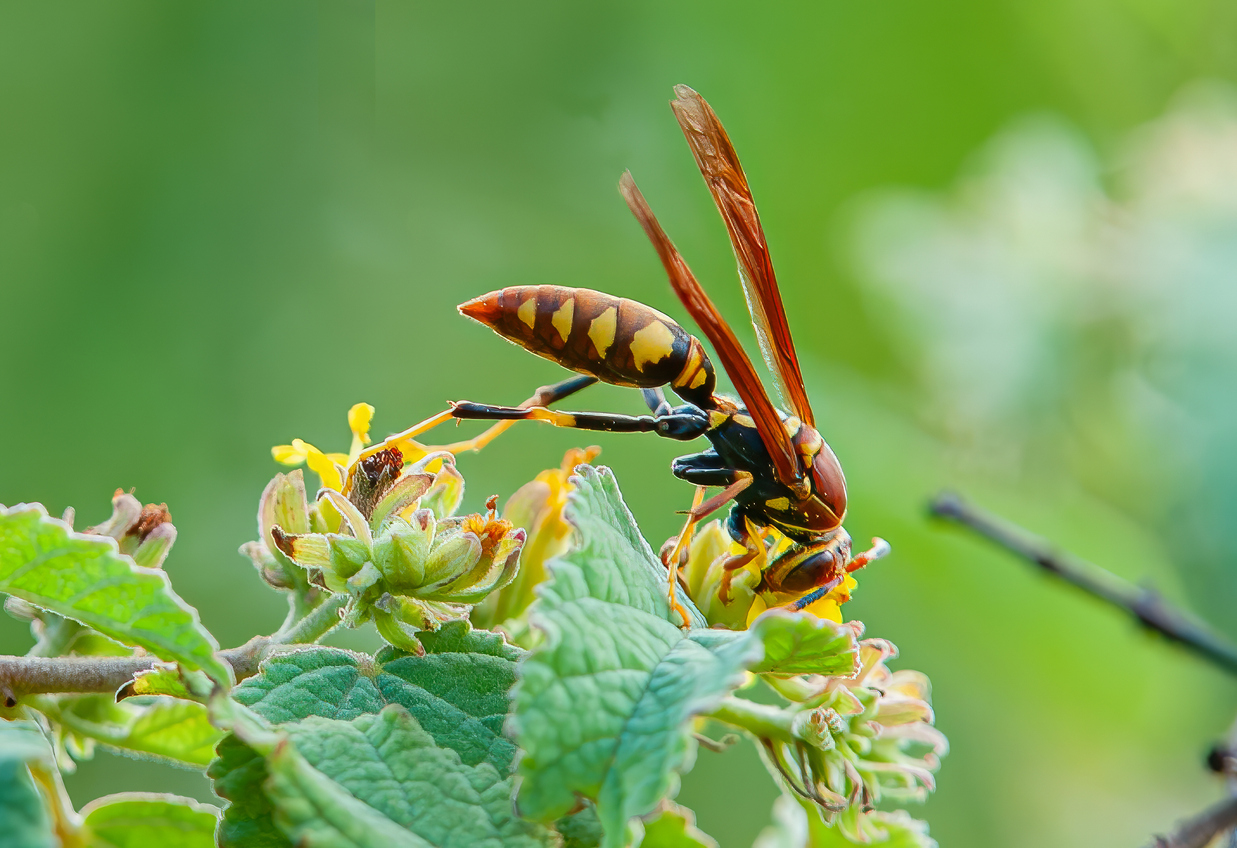
Paper wasps have long, slender bodies and legs that dangle beneath them as they fly. Some species may be completely black, orange/brown, or yellow and black in color. They are sometimes mistaken for yellowjackets. They build open, umbrella-shaped paper nests under roof overhangs, decks, porch ceilings, and shutters. Cells (clusters of small spaces housing wasp larvae) are typically visible in these nests. The wasps create this paper material through mixing small bits of wood with their saliva. They’re generally less aggressive than yellowjackets but will defend their nest if directly threatened or caught against the skin.
Bald Faced Hornets
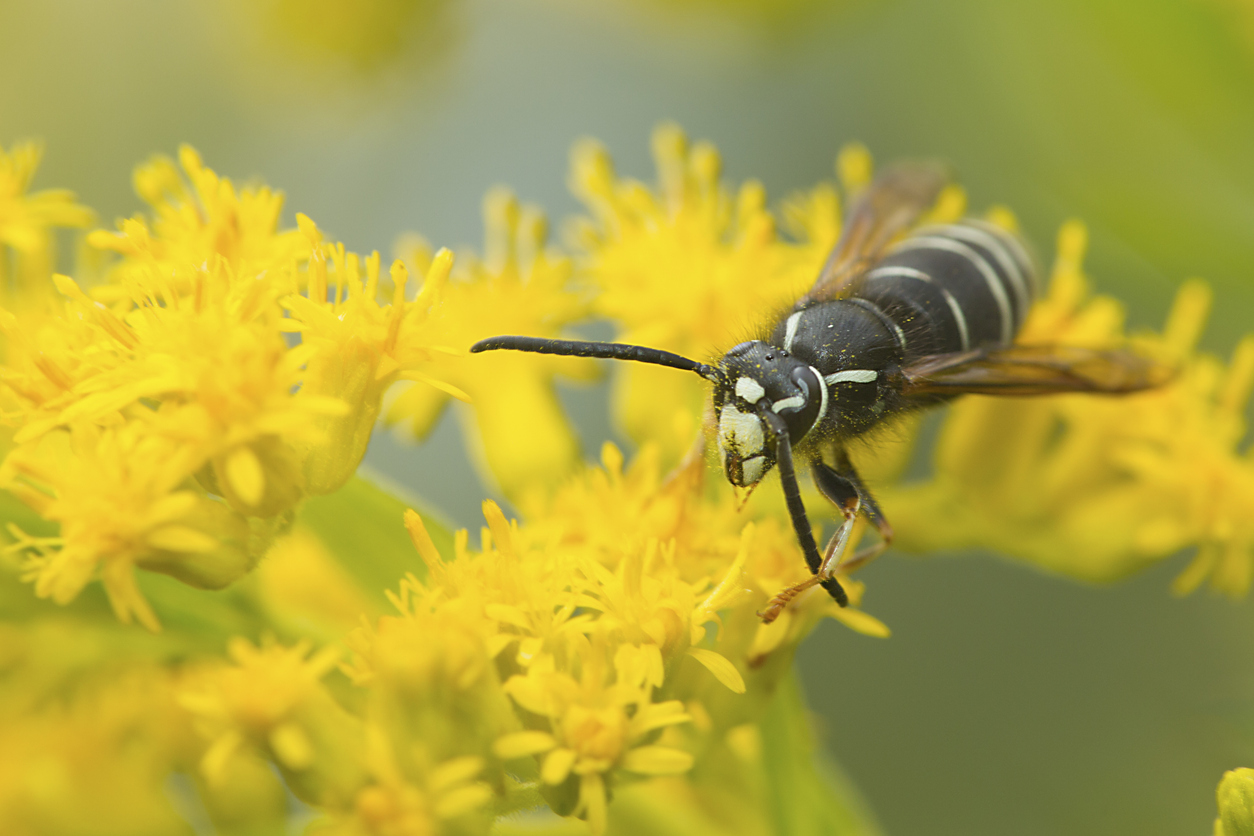
These wasps are black and white in color, with a characteristic white or “bald” face. Bald faced hornets build large, football-shaped paper nests in trees, shrubs, and occasionally on homes. The cells of bald faced hornet nests are typically not visible. Because these insects are known to be aggressive and highly protective of their colony, it’s best to admire these impressive nests from a distance and call a pest control professional to remove them.
Honey Bees
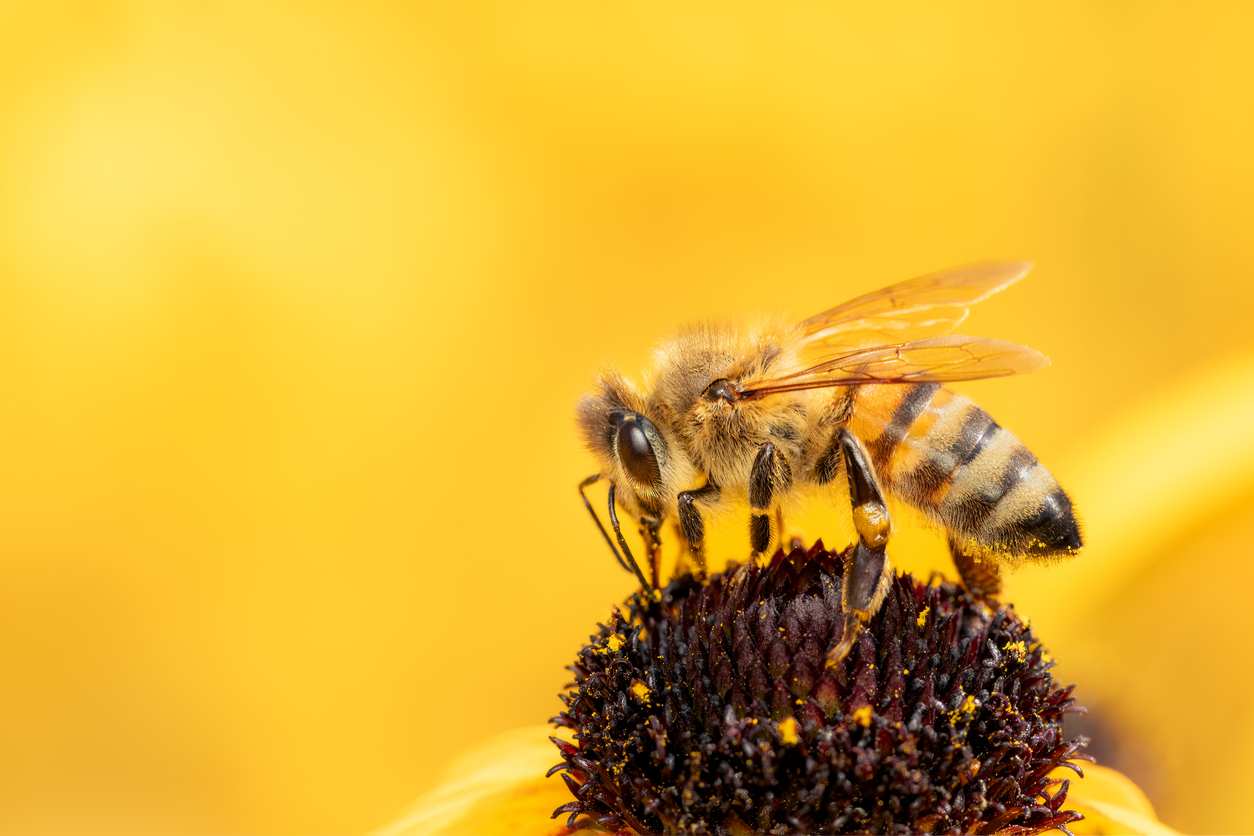
Honey bees are fuzzy, striped, golden-brown insects that spend most of their time visiting flowers. Unlike some wasps, they typically sting only as a last resort. Honey bee stingers have barbs, so a sting is a death sentence for these insects. Once a honey bee inserts its stinger, the barbs cause it to get lodged into the skin. As a stinging honey bee flies away, the stinger remains lodged and tears away from its backend, causing fatal internal damage to the insect. Honey bees play an essential role in pollinating many of the fruits, vegetables, and flowers we enjoy, so established colonies should be relocated whenever possible. Honey bee nests consist of paperless, waxy, hexagonal combs (large clusters of cells) in concealed areas like wall voids or hollowed-out trees.
Do Wasps Remember You? And Other Common Myths
There are plenty of stories about wasps, but not all of them are true. Let’s separate wasp fact from fiction.
Myth: Wasps remember your face and are able to target you specifically.
Fact: Some research has shown that certain paper wasps can use specialized cognitive abilities to recognize members of their own colony to reinforce social hierarchy. They have been proven to be able to remember some non-wasp faces, including humans. However, wasps don’t have the capacity to target specific humans. The wasps around your home aren’t going after YOU specifically. If one keeps returning, it’s much more likely you’ve wandered near a nest and triggered some defensive behavior, or you’re holding something it wants to eat.
Myth: Wasps can smell fear.
Fact: Wasps can’t “smell” or detect fear, but they do react to sudden movement. It’s instinctual to duck or jolt away when a wasp flies too close to your head, and it’s a very common action for a fearful person to perform around flying insects. Ducking or swatting at a wasp, as well as getting too close to its nest is far more likely to make it defensive than staying still or calmly walking away.
Myth: Killing one wasp attracts more of them.
Fact: It can. Some wasps release chemical signals specifically designed to convey alarm when they’re threatened or crushed. Nearby colony members may respond to that signal with defensive behavior, quickly becoming a potentially dangerous situation. This is one reason experts recommend avoiding do-it-yourself nest removal.
Myth: Jumping into a pool will make wasps leave you alone.
Fact: Not always. If they’re protecting a nearby nest, they may simply wait until you come back up. Whether you are wet or not, wasps can still perceive you as a threat and respond with stinging.
Should You Remove a Wasp Nest Yourself?
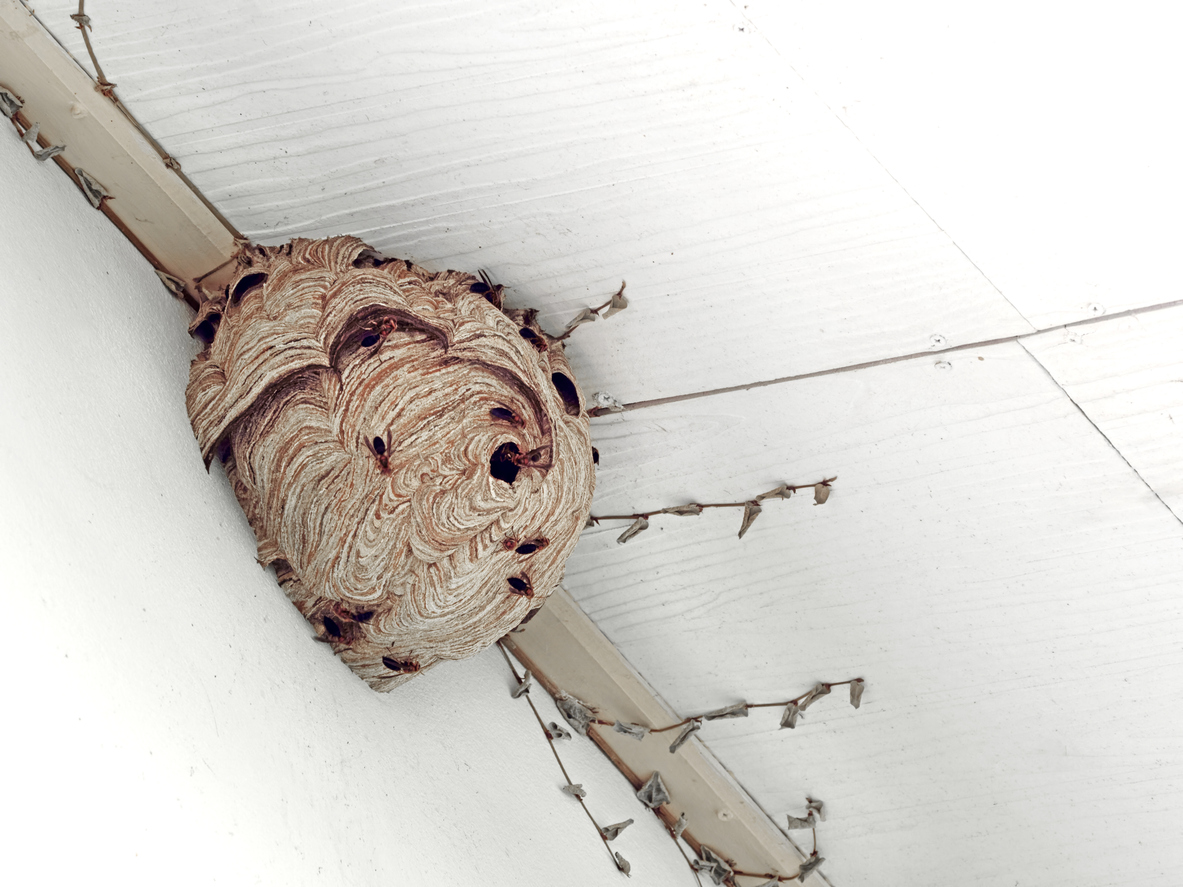
It is NOT advised to remove a wasp nest yourself. By attempting to remove a nest yourself, you are directly threatening a wasp colony. This will trigger defensive behaviors and heighten your risk for stings. When it comes to wasp control, it’s safest to keep your distance and avoid knocking down or treating an active nest yourself.
A small paper wasp nest tucked beneath an unused shed roof may not require any sort of immediate action. But nests near front doors, decks, patios, children’s play equipment, or other high traffic areas can become a safety concern.
If you discover a nest in one of these areas, professional wasp control can help identify the species, locate the nest, and determine the appropriate treatment.
Enjoy the Rest of Summer Without the Sting
If you’ve noticed increased wasp activity around your home or discovered a nest nearby, the experts at Rose Pest Solutions can identify the species, locate the nest, and recommend the best treatment for your situation.
That way, you can spend less time fearing or swatting at wasps and more time enjoying everything the rest of summer has to offer.